28–30 Brix tomato paste is a versatile standard for sauces, catering and general food production. 36–38 Brix is more concentrated, reduces transported water and is often selected by industrial processors. The right choice depends on recipe yield, viscosity, color, process equipment and delivered cost—not Brix alone.
Tomato paste buyers often begin with one question: which Brix level fits the application? Brix indicates soluble solids, but a reliable specification also considers consistency, color, acidity, microbiology, packaging and storage conditions. This guide gives importers, distributors and manufacturers a practical framework for comparing the two widely requested concentration ranges.
What does Brix mean in tomato paste?
Brix is used to express the concentration of soluble solids. A higher value generally means that more water has been removed during processing. It does not, by itself, define flavor, color, consistency or overall quality.
Commercial specifications should state the measurement basis and tolerances. Buyers should align the target with the finished recipe and processing line before confirming an order.
- 28–30 Brix: broadly used for sauces, soups, catering and further processing
- 36–38 Brix: higher concentration for industrial formulation and transport efficiency
- Final selection: evaluate yield, dilution rate, viscosity and delivered cost
When should a buyer choose 28–30 Brix?
The 28–30 range is suitable when a processor wants a concentrated but readily workable paste. It can simplify dilution and mixing in pizza sauce, ketchup, ready meals, soups and food-service recipes.
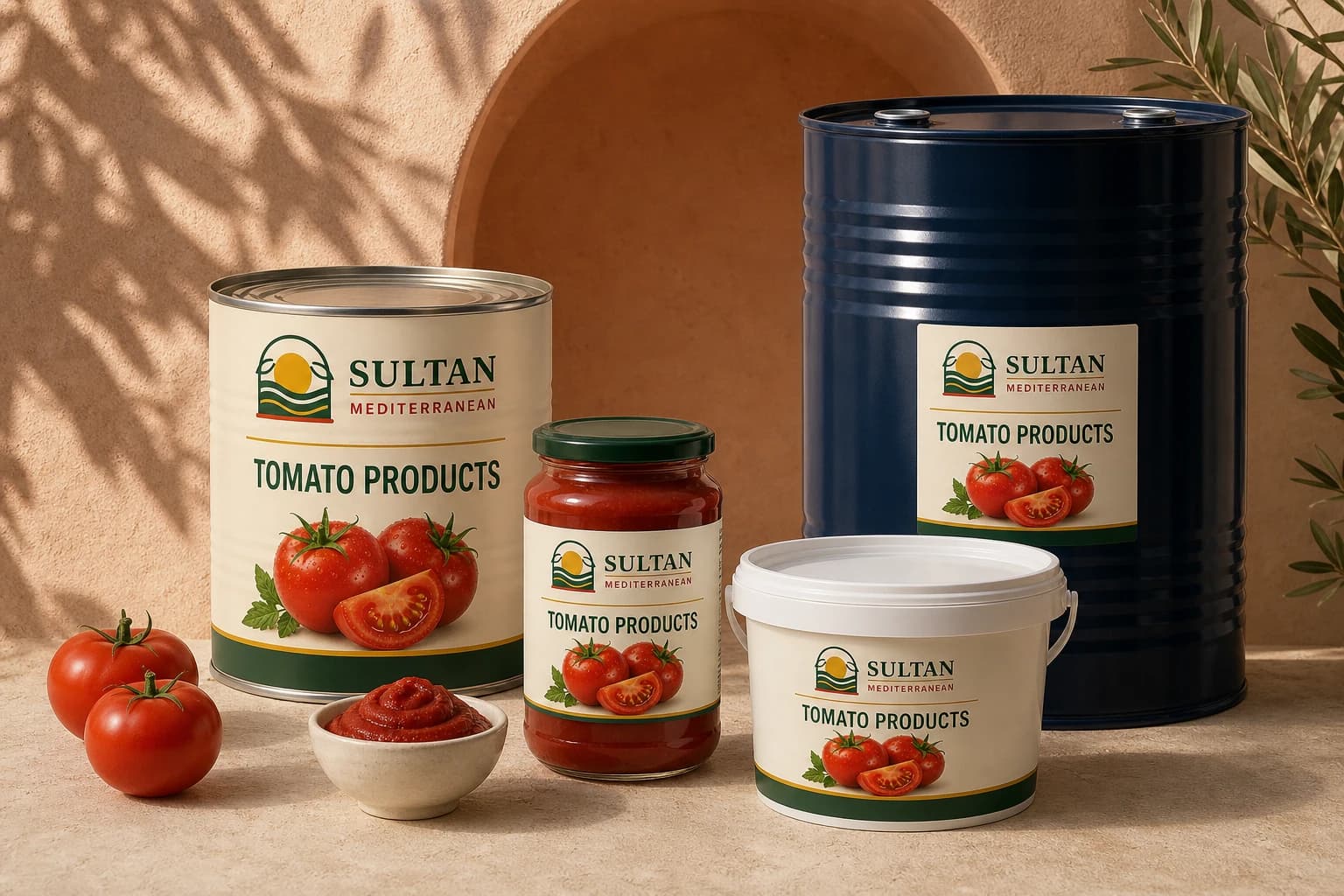
It is also available in multiple formats, from retail cans and glass jars to bag-in-box and aseptic drums. That flexibility makes it useful for distributors serving more than one sales channel.
When is 36–38 Brix more suitable?
The 36–38 range contains less water and can improve freight efficiency per unit of tomato solids. Industrial buyers may prefer it when production equipment is designed for controlled dilution and high-volume formulation.
Higher concentration does not automatically mean a better finished product. Pumpability, handling temperature and recipe calculations must be reviewed with the technical team.
- Ask for a current technical data sheet
- Confirm cold-break or hot-break requirements where relevant
- Review color, consistency, acidity and microbiological criteria
- Match the pack size to realistic consumption after opening
How to request a useful quotation
A precise inquiry produces a faster and more comparable offer. State the requested Brix, application, annual or trial quantity, packaging, destination country, Incoterm and private-label requirements.
For industrial orders, include the preferred drum or bag-in-box weight and any technical approval process. For retail, share target net weight, language, artwork status and expected shelf presentation.