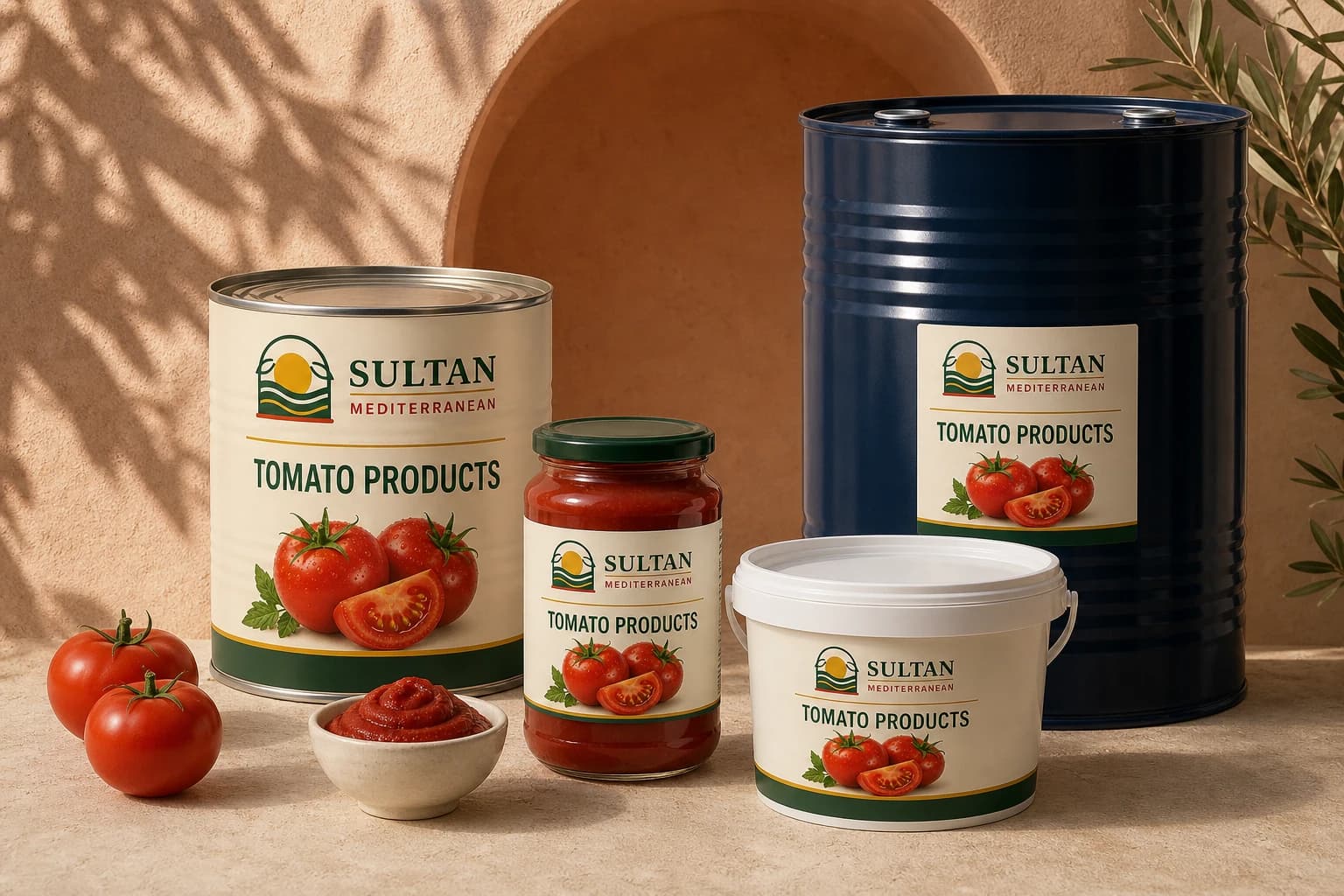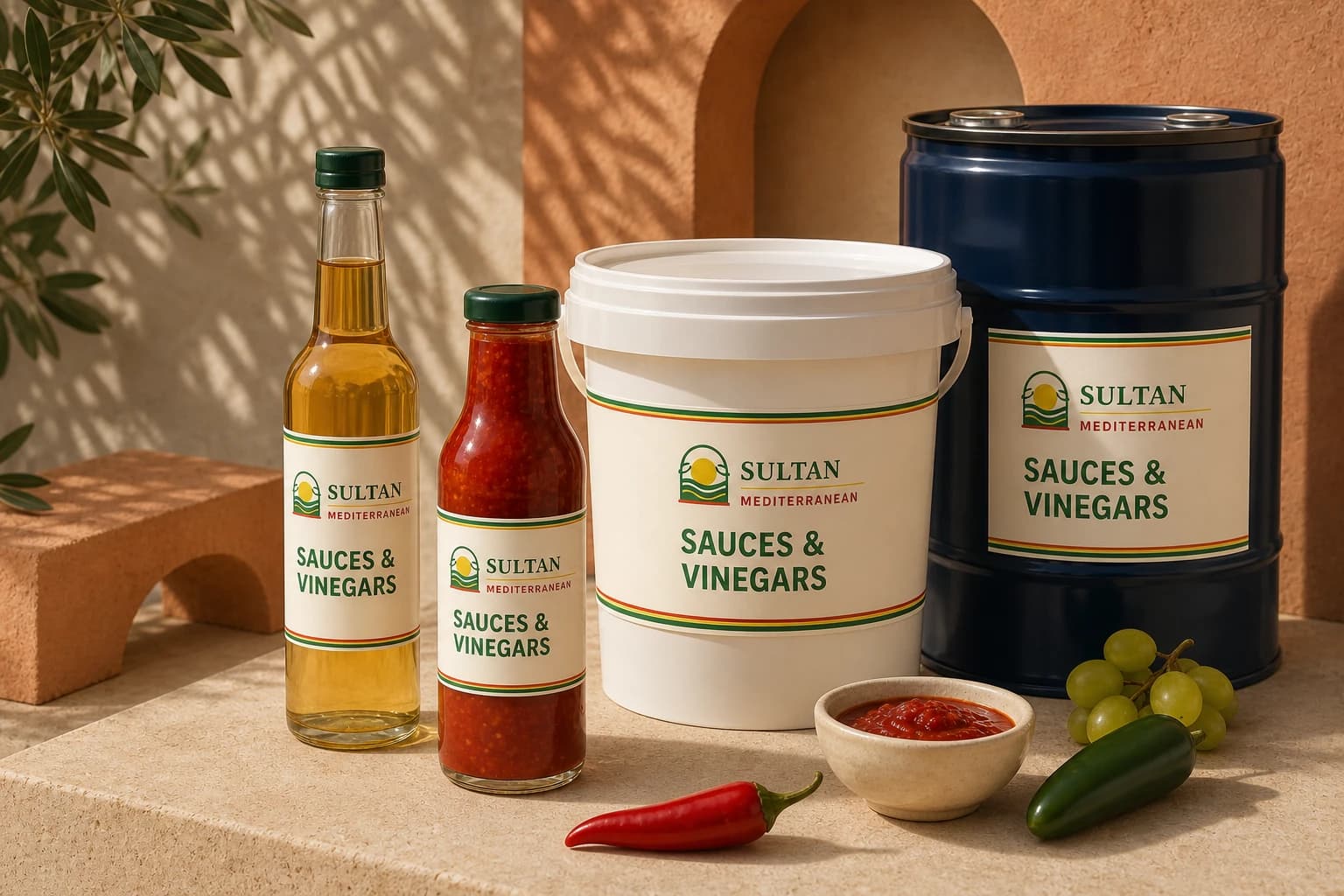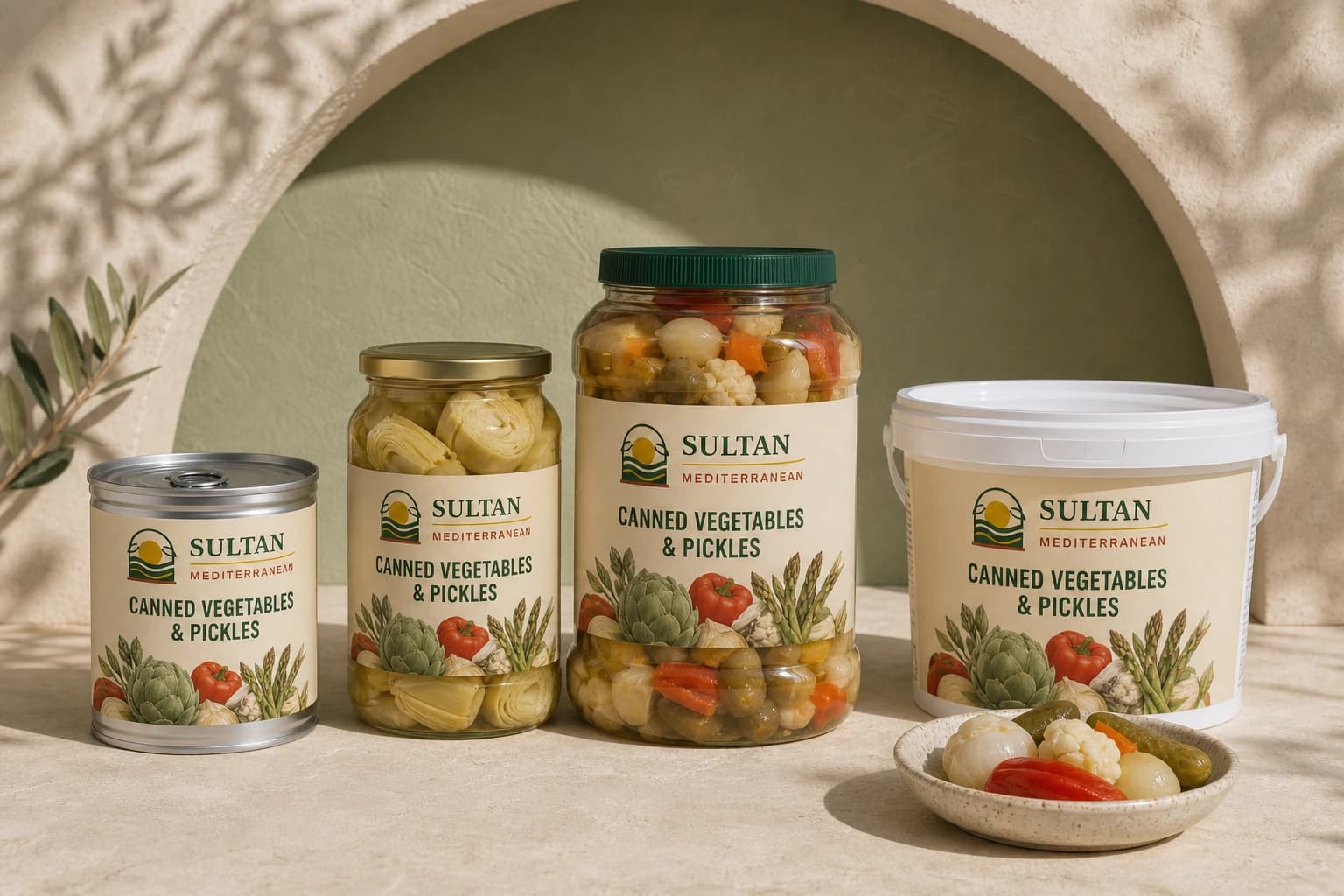
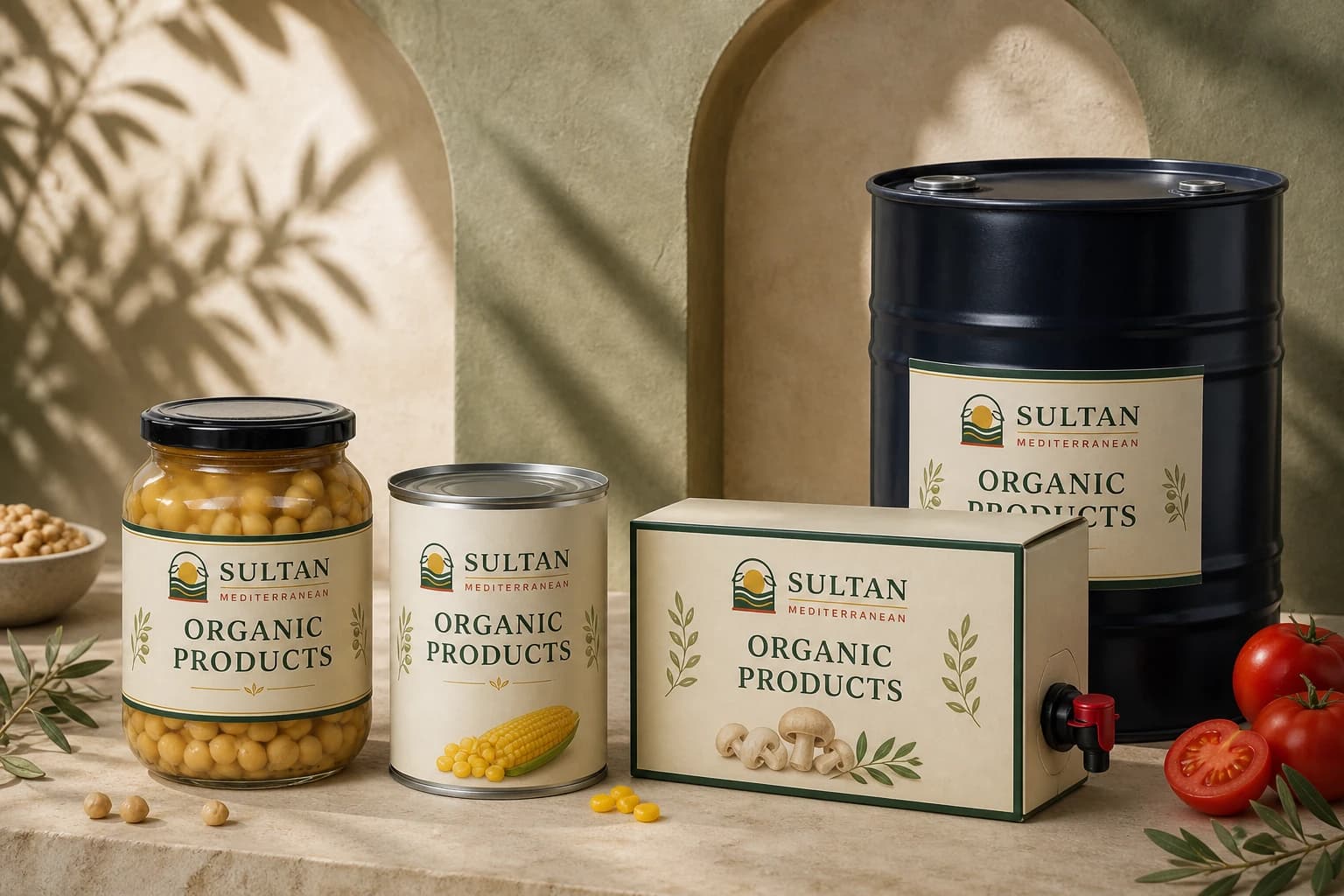
Reliable food importing is built on five controls: an approved specification, representative sample, documented packaging, realistic production and transit plan, and a quotation with a clearly named Incoterm location. DDP can simplify cost comparison, but the buyer must still confirm local product and importer obligations.
A low unit price does not guarantee a reliable landed result. Importers need product conformity, predictable loading, usable documents and clear responsibility at every handover. This checklist helps structure inquiries for tomato products, sauces, preserved vegetables, mushrooms, olives, capers and organic lines sourced from Türkiye.
Build one commercial and technical brief
Create a single brief that commercial and quality teams can both approve. Product name, specification, pack, quantity and destination should match across the quotation, sample request and purchase order.
If alternatives are acceptable, identify which requirements are fixed and which can change. This allows the supplier to recommend an available format without weakening critical quality criteria.
- Product specification and application
- Pack size, case count and pallet preference
- Trial quantity and annual forecast
- Destination and required arrival window
- Incoterm with named place
Approve before production
Samples are useful only when the evaluation method is clear. Record the sample code, date, specification version and acceptance result. If private-label artwork is involved, approve product and packaging separately.
Confirm applicable certificates and test documents for the selected production scope. Documentation requirements should appear in the purchase order rather than being requested after loading.
Plan loading, transit and receiving
Ask for pallet configuration, gross and net weights, container utilization and any temperature or storage instructions. Receiving teams should know how batches and expiry dates are presented.
Build contingency into promotional launches and first orders. Customs review, artwork corrections or packaging procurement can affect the critical path.
- Container and pallet loading plan
- Batch and date-code format
- Commercial invoice and packing list data
- Origin and other agreed documents
- Warehouse and unloading requirements
Use DDP quotations correctly
A DDP quotation should name the exact destination and state its validity, product quantity, delivery assumptions and exclusions. It can help buyers compare a delivered figure, especially during early market evaluation.
Incoterms allocate delivery obligations but do not replace product compliance work. Importer status, registrations, taxes and local food rules should be reviewed with qualified customs and regulatory professionals in the destination market.